
-
A recent EY report states FMCG companies should respond to current global volatility with contingency-led supply-chain planning, portfolio consolidation, revenue growth management, sharper resource allocation, localisation, and backward integration. The trigger is the current West Asia disruption, which is lifting input, packaging, freight, and import costs across consumer sectors exposed to oil, petrochemicals, and global shipping.
The sharper point is this: in periods like this, complexity itself becomes a vulnerability. The report says sectors such as edible oils, textiles, paints, packaged foods, and personal care are already facing cost shocks and pricing dilemmas, while rising crude-linked costs and supply constraints are creating ripple effects that could weaken the industry’s profitability trajectory. Packaging and transportation costs have risen, the weaker currency is pushing up import costs, and supply-chain constraints are adding further pressure through commodity and freight volatility.
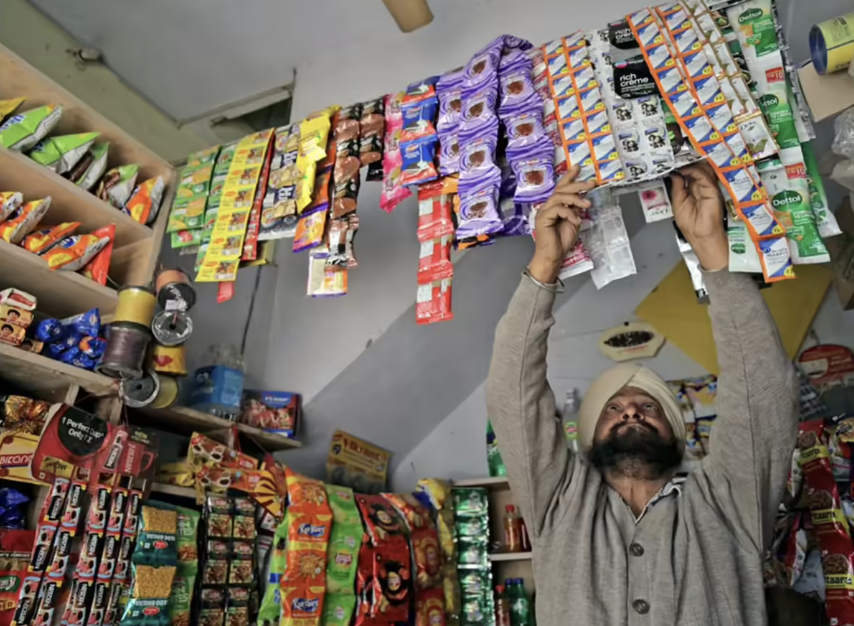
That pressure is now beginning to show up in category-level decisions. India imports around 57% of its edible oil needs, and the report says retail edible-oil inflation moved above 7% in early 2026, leaving palm-oil-heavy FMCG categories such as snacks, bakery, and packaged foods under margin strain. The expected response is familiar: either higher retail prices or grammage reductions, which effectively means smaller packs for consumers.
Personal care is facing a similar squeeze from petrochemical-linked inputs. The report says shortages and price spikes in materials such as silicone oil and ammonia have already affected niche segments including condoms and medical personal care products, where substitution is difficult because quality standards are tighter. It also says paint companies are evaluating 2%–5% price hikes if crude stays elevated into FY27, although competitive pressure may delay aggressive pass-through.
The most strategic line in the report is that brands are likely to delay new product launches and prioritize core SKUs, focusing more on volume stability and margin protection than on portfolio expansion. That makes this more than a cost-inflation story. It is a reminder that when global risk rises, the companies that hold up best are often not the ones with the broadest portfolios, but the ones with the clearest SKU priorities and the cleanest sourcing architecture. That final sentence is an inference from EY India’s recommendations and the category pressures described in the report.
Why it matters:
In FMCG, resilience is no longer only about sourcing alternatives. It is increasingly about deciding which products deserve capital, capacity, and margin defense when volatility makes every SKU harder to carry.