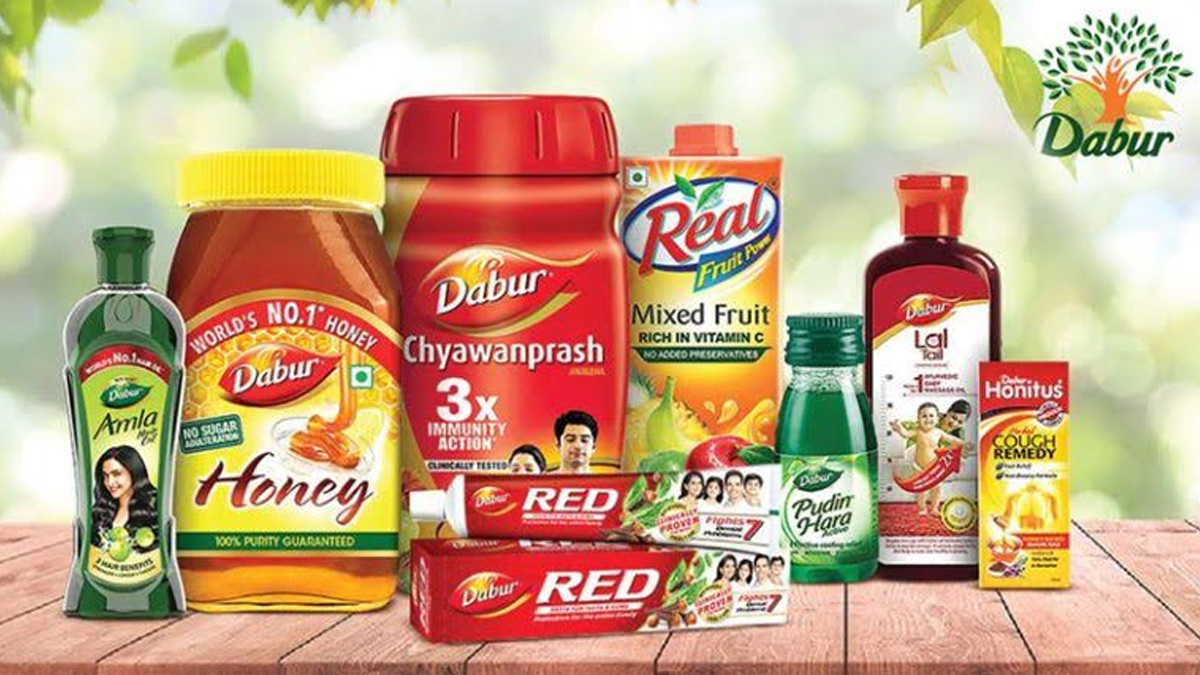
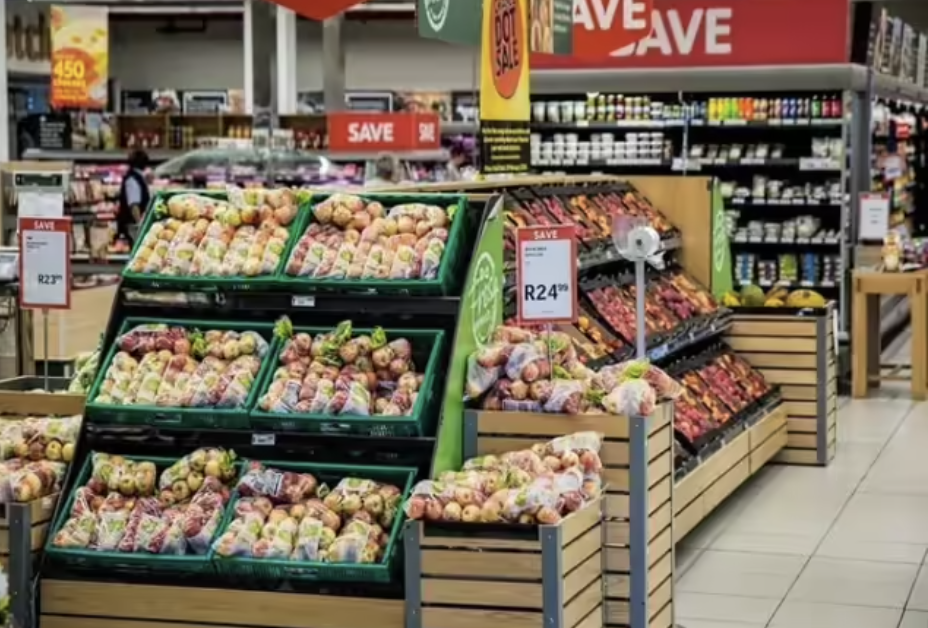
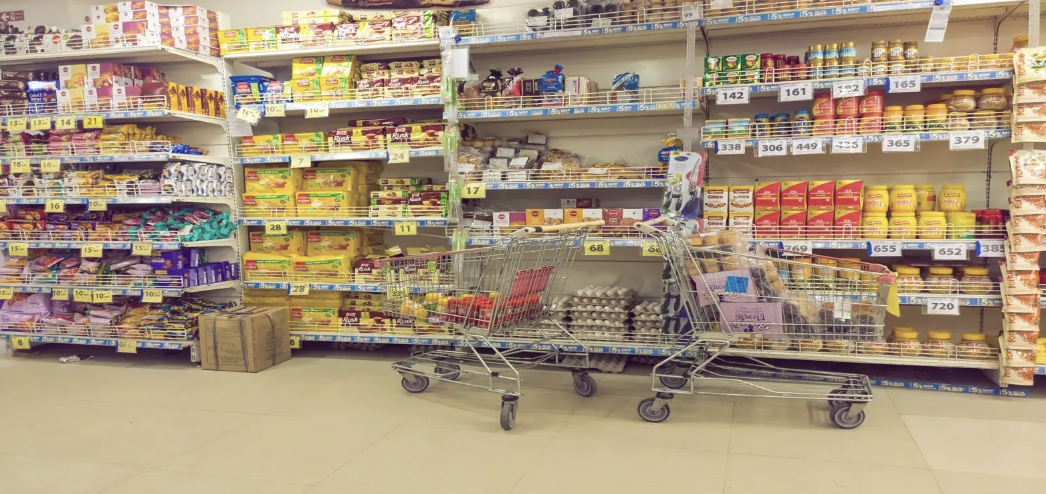
Centrum expects a gradual consumer rebound led by FMCG and a standout jewellery quarter. It pegs FMCG revenue up ~6.6% YoY (≈4% volume) on GST normalization, restocking and softer inflation, with modest margin expansion. Jewellery is tipped to “shine” with a sharp topline jump, helped by the gold-price rally and festive buying. Overall, staples outpace discretionaries near term, with recovery broadening into H2 FY26.
-
Centrum: FMCG and jewellery to lead demand recovery in Q3 FY26
-
Case Study: Driving FMCG Sales with JioStar During IPL 2025
Executive Summary
FMCG brands that advertised on JioStar during TATA IPL 2025 delivered a +5.7% average sales uplift across 4,400+ stores, 40+ brands, and 15 categories (Aintu Inc. study). Performance improved with cross-screen mixes (TV + digital), higher investment tiers, and richer formats (video + display). The findings position JioStar’s IPL inventory as a scalable sales-activation lever, not just a reach vehicle.
Business Objective
Convert seasonal IPL reach into measurable store-level sales for FMCG portfolios while identifying the optimal media mix (screen, spend tier, and format) to guide future playbooks.
Context & Challenge
-
IPL spikes attention but fragmentation (TV vs. digital, urban vs. rural, modern trade vs. GT) makes it hard to tie ads to scans.
-
Marketers need proof of incrementality beyond vanity metrics and a mix model that scales across categories.
Intervention
Brands ran IPL-timed campaigns on JioStar with varied mixes:
-
Screens: TV only vs. Digital only vs. Cross-screen
-
Formats: Video only vs. Video + display
-
Spend tiers: ₹10 cr+ vs. sub-₹10 cr
Measurement Design (Abridged)
-
Sample: 4,400+ stores; 40+ brands; 15 FMCG categories
-
Windows: Pre-IPL baseline → IPL flight → short tail
-
Method: Matched-store comparisons and pre/post analysis controlling for seasonality; category and region fixed effects to reduce noise
-
Primary KPI: Value sales uplift (%) versus matched control
Note: As with all field studies, residual confounders (pricing, trade push, distribution changes) are possible; see Limitations.
Results
Headline Impact
- +5.7% average value uplift across participating brands.
Mix That Outperformed
- Cross-screen (TV + Digital): +6.3% vs Single screen: +5.3%
- Higher investment (₹10 cr+): +8.4% vs <₹10 cr: +4.9%
- Video + Display: +7.2% vs Video-only: +5.5%
Category Notes (directional)
-
Impulse and beverages saw faster week-1 response; home & personal care built steadier, cumulative gains over the flight.
-
Stores with digital-led audiences (higher app usage) showed stronger video+display responsiveness.
What Drove the Gains (Interpretation)
-
Cross-screen coherence: TV builds mass salience while digital tightens recency and frequency near the point of purchase.
-
Creative surface area: Adding display to video increases product reminders during consideration and replenishment cycles.
-
Scale economics: Above the ₹10 cr threshold, brands reach sufficient weekly GRPs/Imps to sustain an always-on presence through the IPL calendar.
Commercial Implications (Back-of-Envelope ROI)
-
If a brand’s IPL-period baseline sales are ₹100 cr, a +5.7% uplift ≈ ₹5.7 cr incremental.
-
With ₹8 cr media: ROI = 0.71x gross.
-
With ₹10 cr+ (avg. +8.4% uplift): incremental ≈ ₹8.4 cr; ROI = 0.84x gross.
-
After trade margins and gross margin (e.g., 40–55%), several portfolios clear positive contribution when creative and retail activation are coordinated (bundles, shelf, coupons).
Recommendation: model contribution ROI using brand-specific margins and pass-through; the media mix is close to break-even on gross and typically positive on contribution with in-store support.
Playbook for IPL 2026
Mix & Investment
-
Anchor on cross-screen; resist TV-only or digital-only unless budget-constrained.
-
Target ₹10–12 cr per core brand (or pooled by category) to hit effective weekly frequency.
-
Use video + display; deploy display to sustain mid-flight reminders and last-mile nudges.
Audience & Timing
-
Front-load awareness in opening fortnight, then maintain steady weekly pressure; spike again in playoffs/finals.
-
Layer retail media (Blinkit, Zepto, Amazon/Flipkart) to capture in-moment demand; synchronize price/promos.
Creative & Merchandising
-
Build two creative lines: (1) Mass salience (TV) and (2) Offer/variant reminders (digital/display).
-
Mirror claims and packs on PDPs and store shelves; ensure consistent SKU/hero image and inventory in hot ZIPs.
Measurement
-
Set up geo-split or matched-store tests with MMM/MTA overlays.
-
Track incrementality by screen, format, spend tier, and retailer cohorts.
-
Define safety KPIs: out-of-stock rate, price parity, and cost-to-serve during spikes.
Risks & Limitations
-
Attribution bleed from concurrent promotions or competitor moves.
-
Distribution gaps can cap uplift even with strong media.
-
Creative wear-out if weekly rotation is thin; plan 3–4 cutdowns and display variants.
Next Steps
-
Pre-book cross-screen inventory and lock video + display bundles.
-
Run a 2-cell experiment (cross-screen vs. single-screen) in matched regions.
-
Integrate retail media and JioStar reporting into one incrementality dashboard.
-
Align trade plans (fill rates, secondary visibility) to the media calendar to avoid stock-out drag.
One-Slide Summary (for leadership)
-
Impact: +5.7% avg uplift (peaks: +8.4% at ₹10 cr+, +7.2% with video+display).
-
Winner Mix: Cross-screen > single screen; video+display > video-only.
-
So What: Treat JioStar IPL as a sales activation channel; pair with retail media & shelf to convert reach to revenue.
-
Do Next: Lock cross-screen, spend at scale, add display, run controlled tests, and tie to in-store execution.
-
-
GST reset could reshape FY26 AdEx: FMCG gears up for a volume-first year
With GST-related disruption fading and volumes rebounding, FMCG, the country’s biggest advertiser, is set to re-accelerate spends in FY26, but with a different mix.
Three signals:
-
Demand is normalising: Companies have refilled channels after the GST rejig, with trade and e-commerce stabilising, setting up a sales upswing in H2 FY26.
-
Budgets are loosening: After 2025’s pullback (TV ad volumes fell as FMCG tightened), marketers are preparing double-digit spend increases into late FY26 as inflation eases and pricing resets.
-
Where the money goes: Expect more digital/retail media and commerce-linked video, not just GRP chases, brands want incremental, attributable reach as rural demand firms and value growth returns.
Net: FY26 AdEx should skew volume-led and ROI-obsessed, bigger activation on marketplaces/quick-commerce, sharper audience buys in digital video, and calibrated TV bursts around launches and festivals, rather than blanket massing.
-
-
India joins G7 critical-minerals talks in Washington as US widens China de-risking push
India has entered high-level talks in Washington on securing critical-mineral supply chains, joining a US-hosted meeting alongside G7 finance ministers and invitees like Australia. IT & Electronics Minister Ashwini Vaishnaw is attending as the US rallies partners to reduce reliance on China, which dominates refining of lithium, cobalt and rare earths.
The agenda includes new partnerships, financing and potential market measures to build non-China capacity, part of a broader US strategy that has recently pulled more countries into minerals coordination.
-
US to invite India to ‘Pax Silica’ next month to secure AI supply chains
The US will extend a formal invite to India next month to join Pax Silica, its coalition to de-risk the rare-earths→semiconductor→AI supply chain. New US envoy Sergio Gor flagged the move in New Delhi, positioning India’s entry alongside talks on critical minerals and tech cooperation. Pax Silica already includes allies like Japan, South Korea, Singapore, the UK, Israel, UAE and Australia, and is adding West Asian partners; India’s inclusion would align with its magnet/semiconductor push and efforts to diversify away from China-centric inputs.
-
Skybridge to resilience: How air freight powered India’s 2025 logistics
When ocean routes wobbled (Red Sea diversions, tariff noise), Indian shippers shifted critical loads, pharma, electronics, engineering goods, perishables, express, to the skies. Air freight went from emergency fallback to strategic backbone, helping exporters protect timelines and keep plants running. Integrators like FedEx/DHL and forwarders such as Jeena & Co. all report air was the best-performing mode of the year as customers paid for speed and certainty.
Two enablers stood out. First, infrastructure: years of planning under PM GatiShakti started to show up in smoother multimodal handoffs, fewer bottlenecks, and more predictable flows. FedEx’s leadership called out this structural shift as key to resilience. Second, data and automation: networks leaned on AI-led planning, routing, automated handling, and real-time visibility so shippers could anticipate snags instead of just reacting.
Sustainability moved from slideware to ops. DHL pushed a 2030 roadmap that treats green logistics as a bottom line, investing in cleaner facilities and programs like GoGreen Plus, while forwarders improved emissions tracking alongside reliability.
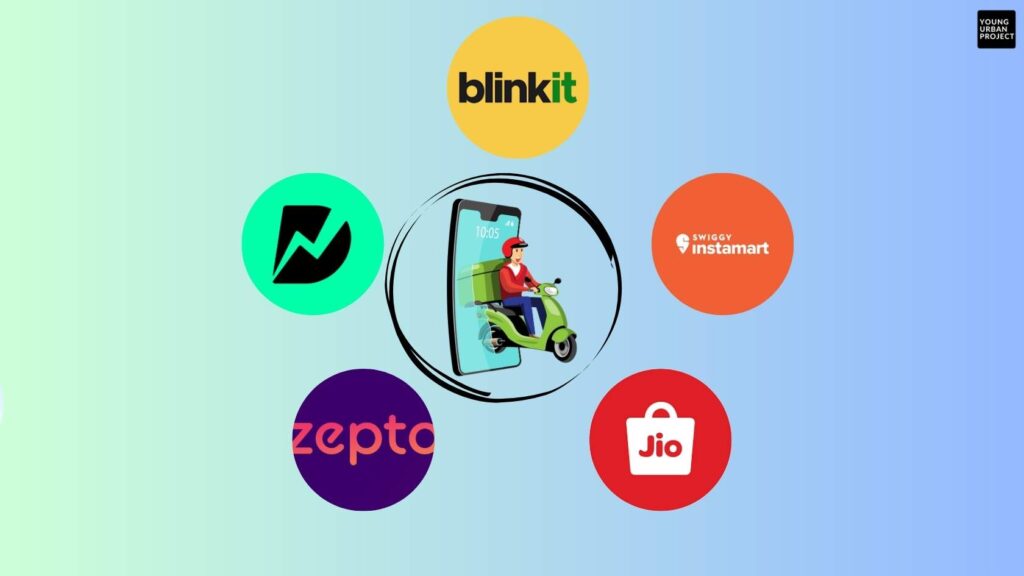
On the home front, e-commerce and quick commerce stress-tested speed daily. Zepto’s IPO signal and year-end delivery records (Blinkit/Zomato posting all-time peaks on Dec 31) showed last-mile capacity holding under demand spikes, evidence that India’s air-to-ground chain has matured from scale to precision execution.
Bottom line: 2025 proved agility is the new advantage. With air cargo capacity, integrated infrastructure, and digital control towers, India kept cargo moving through global turbulence, and enters 2026 more confident, more connected, and more indispensable to trade.
-
India clears $4.6 bn to deepen electronics supply chain
The Centre approved 22 component-making projects worth ₹41,863 cr ($4.64 bn) under its electronics components scheme, backing parts like camera modules, display assemblies and enclosures from players including Samsung, Tata Electronics and Foxconn. The bets are spread across 8 states, expected to generate ₹2.58 lakh cr in output and ~34,000 jobs, and are aimed at cutting import dependence as India pushes electronics production from $125 bn (FY25) toward $500 bn by FY31.
-
AVG Logistics, Nestlé India & Ashok Leyland roll out CNG ‘green corridor’
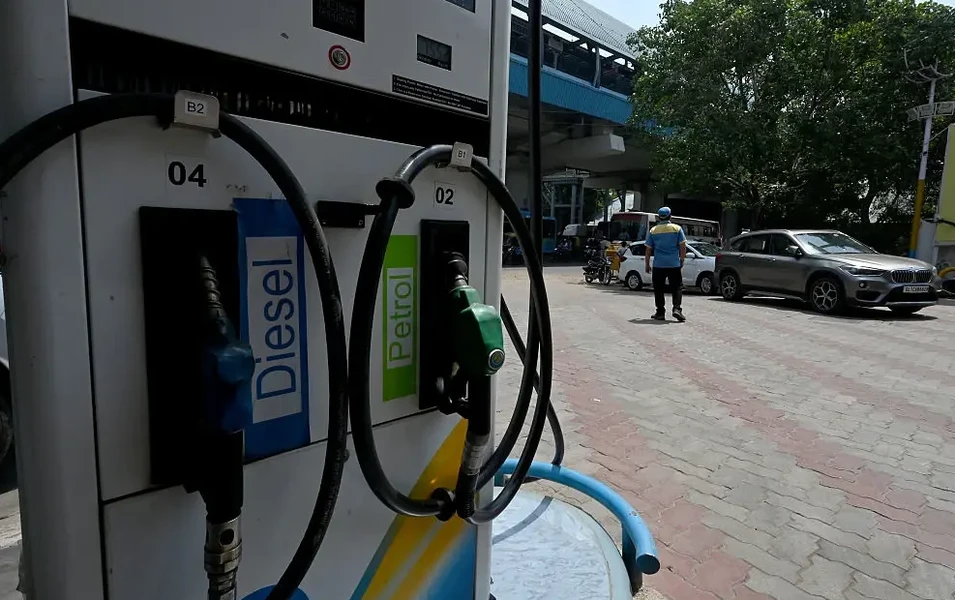
AVG Logistics has created a dedicated CNG-powered corridor for Nestlé India, deploying 50 Ashok Leyland CNG trucks that will collectively run about 2.75 lakh km each month. The company says this shift should cut ~1.1 lakh kg of CO₂ a year, while tightening schedules and fuel costs on Nestlé’s lanes. Announced via a Jan 3 exchange filing, the partnership is framed as both a sustainability move and an ops upgrade, with AVG noting it will keep expanding tech-led, low-emission models across the network.
-
Budget 2026: India's Strategy to Reduce China Dependence
India’s pre-Budget playbook targets the China gap with a two-track push, calibrated duty hikes + targeted incentives, on a ~100-item list (engineering goods, machinery, steel, even suitcases/flooring) to curb dependence and rebuild local value chains. The urgency is visible in the numbers: Apr–Nov FY26 exports $292 bn vs imports $515.2 bn; China imports $84.2 bn vs exports $12.2 bn to China (deficit ~$72 bn).
The plan pairs trade steps with MSME shock-absorbers (easier, cheaper credit; export-risk buffers; digital compliance; ZED/LEAN uptake) so small suppliers don’t get crushed by tariff whiplash. On inputs, Delhi is leaning into critical minerals, notably a ₹7,280-cr NdFeB magnet scheme (6,000 MTPA, 7 years) and a broader strategy for lithium/cobalt/rare-earths via overseas tie-ups and a proposed fund.
Logistics is the silent tax the Budget wants to cut: in-country movement costs ~14–16% of GDP vs China’s ~8%; the target is single-digit by end-2026 with ongoing expressway/connector upgrades. Electronics shows the template, mobile output rose from ₹2.2 lakh cr (FY21) → ₹5.45 lakh cr (FY25); exports >₹2 lakh cr; ~1.33 mn jobs (70% women), and the next link is semiconductors: ~₹1.6 lakh cr in approved projects (Tata, Micron, Foxconn, HCL) to localise fab/packaging/compound semis.
Net: the Budget is framed as a coherent supply-chain strategy, tariffs where needed, incentives where effective, and fixes in quality, scale, finance, minerals, and logistics, to narrow, not just manage, the China gap.
-
GST cuts didn’t pop FMCG, here’s why the lift is slow
India Today’s analysis says the Sep 22 GST rate cuts actually caused a September dip in FMCG volumes (-3.7% MoM) because shoppers and retailers held purchases waiting for new MRPs, while many manufacturers paused dispatches to reprint packs and reset systems. October saw a catch-up, but the lift was gradual, not explosive.
Two structural frictions kept it muted:
(1) India’s mass FMCG runs on ₹5/₹10/₹20 “magic price points”—you can’t cut to ₹4.70 at a cash-led kirana, so companies tend to add grammage later rather than slash sticker prices overnight;(2) the GST transition created temporary destocking/re-stocking across channels. Bigger picture, NielsenIQ’s Q3 read shows 5.4% volume growth (value +12.9%) with rural still outpacing urban, evidence that the tax cut’s benefit is seeping in, just with a lag and category-by-category.
Net: expect a stair-step recovery as pack sizes/price points are retooled and inventories normalise, rather than a one-week surge.
-
Regulatory bottlenecks hit FMCG & electronics: BIS/FSSAI delays stall launches
A JR Compliance survey cited by ET says slow approvals, especially BIS certifications and FSSAI licences—are pushing back production, imports, and product launches across sectors, with FMCG and electronics taking the biggest hit. Firms report months-long waits, missing festive windows and peak sales cycles; telecom hardware is also impacted. The upshot: higher carrying costs, lost shelf space, and deferred marketing plans, prompting calls for time-bound SLAs, digital tracking of files, and single-window escalation to restore predictability.
-
India’s trade pivot: from shallow FTAs to deep value-chain ties
Post-2020, India has shifted from broad, “light” FTAs with developing markets to deeper deals with advanced economies that cover services, standards, investment, mobility and enforceable facilitation, with the goal of plugging into high-value global chains, not just cutting tariffs. Earlier pacts (ASEAN, Japan, Korea) were shallow and asymmetrical, with NTMs blunting India’s export gains while imports surged; Vietnam’s richer FTA network underscored the gap. The new playbook: Mauritius (2021), Australia & UAE (2022), EFTA (2024), and UK/Oman/NZ (2025), plus talks with the EU, US, Canada, Israel, GCC, Qatar, Mexico—all while keeping sectoral red lines (e.g., dairy).
-
FedEx: India’s logistics is shifting gears; 2026 will be data-driven
FedEx leaders say India’s trade backbone is in a structural upgrade, thanks to integrated infra planning (PM Gati Shakti), faster multi-modal execution and rising air-cargo from pharma, electronics and engineering. President (MEISA) Kami Viswanathan flagged continued investments to harden reliability and transparency, while VP Nitin Navneet Tatiwala said 2025’s volatile trade underscored the need for AI- and data-led planning, routing and automated handling to give end-to-end visibility. The 2026 focus: keep funding tech and network capacity so Indian exporters can plug into global value chains with more speed and resilience.
-
Why Indian firms missed “obvious” risks in 2025: a boardroom blind spot
Mint’s Company Outsider column states that many Indian firms were blindsided by risks that were hiding in plain sight. Four patterns stood out:
-
Treating rule changes as “paperwork,” not capacity shocks. Airlines planned winter schedules without fully modelling the new pilot duty/rest rules—then scrambled as rosters broke and flights were cancelled, forcing pay resets and temporary relaxations. Lesson: build regulatory stress-tests into ops, not PR plans.
-
Single-point supply chains that everyone knew were brittle. China’s curbs on rare-earth magnets exposed EV/auto dependencies; even after 2024–25 warnings, many buyers lacked alternates or buffers. India’s late push to stand up domestic magnet capacity is a start, but firms need dual tech/vendor pathways and recycling pipelines.
-
ESG as slides, not systems. Companies over-indexed on claims while under-investing in product-level traceability and compliance ops—leaving them vulnerable when regulators and platforms tightened scrutiny. (The column’s broader point: governance must fund “measurement plumbing,” not just messaging.)
-
Succession and key-person risk underplayed. Several promoter-led firms drifted on execution because boards didn’t force hard timelines and contingency drills, the piece notes.
Playbook for 2026 (implied by the column + recent events):
-
Put regulatory stresses (duty-time, safety, tax, data) into quarterly scenario runs; pre-commit capacity/crew buffers and trigger thresholds.
-
Build second sources for critical inputs; for magnets/semis, align with India’s localisation schemes but also lock friend-shored contracts to bridge the gap.
-
Shift ESG from deck to data: SKU-level emissions/traceability and audit trails that survive platform or regulator checks.
-
Treat succession like cyber: run table-top drills, publish timelines, and tie leadership KPIs to risk anticipation, not only crisis response.
Net message: Indian companies excel at firefighting; 2026 will reward those that budget for foresight and redundancy before the spark.
-
-
From scale to precision: Prozo says India’s supply chains are entering a new playbook
India’s 2025 demand swings exposed the limits of “add-more-warehouses” growth, says Prozo’s year-end note. Winners in 2026 will prioritise precision-led ops, real-time forecasting, SKU-level control, and unified inventory that routes store/marketplace/D2C orders from a single pool. Hyperlocal is shifting from marketplace feature to brand-owned last mile; quick-commerce will be judged on how well dark stores plug into the wider network, not on footprint alone. Expect shorter planning cycles, deeper cost-to-serve scrutiny, and resilience built through process discipline rather than size.
-
₹300 cr poultry hub in Bihar to rewire East India’s protein supply chain
The Indian Poultry Alliance (Allana Group) will build a ₹300 crore, fully-integrated poultry complex in Bihar spanning breeder farms, hatcheries, a feed mill, processing and a rendering plant. The greenfield hub is designed to serve Bihar, West Bengal and the North-East, cutting monsoon-season disruptions and long-haul costs by placing production closer to consumption.
IPA says output will flow to foodservice, e-commerce/quick-commerce, and B2B/B2C retail with traceability and hygiene controls baked in. The move complements IPA’s earlier scale-ups (incl. acquisitions) and is pitched as a rural job creator via contract farming and cold-chain buildout.
-
McCain Foods India bags FICCI award for farm-level sustainability
McCain Foods India was recognised at FICCI’s 5th Sustainable Agriculture Awards 2025, taking second place in “Farm-Level Sustainability Initiatives while Sourcing.” The December 15 ceremony in New Delhi cited McCain’s farmer-centric sourcing model, field demos, agronomy support, efficient water use, soil-health improvement and responsible input management, to lift productivity and resilience across its potato supply chain. Executives said the programme builds a traceable, resource-efficient network and strengthens farmer livelihoods.
-
Outlook 2026: Chips capacity is coming, India must build buyers & supply chains
India has cleared the first hurdle in chips: a wave of 10 fab/SiC/OSAT investments and policy support that’s taking manufacturing capacity live over 2026–27 (CG Power says 2026; Micron now expected H1 2026 after delays; full fabs only 2027–28 at best). The make-or-break next phase is ecosystem: upstream gases/chemicals/equipment and downstream OEM demand so ATMP/fab lines aren’t reliant on imports or overseas customers.
Today, OSATs still import key inputs like epoxy molding compounds and plating chemicals, hurting cost competitiveness; the fix is to localise materials, anchor OEM production in India, and grow fabless/product companies that actually consume locally made chips. That, not subsidies alone, will decide if the chip mission is a showcase, or a costly experiment.
-
Jeena & Co beefs up resilience as global trade stays choppy
Jeena & Company says 2025 growth held up despite Red Sea diversions, cost volatility and route elongation, with air freight leading on time-sensitive demand (electronics, pharma, perishables). It leaned on route diversification, tighter carrier coordination, and real-time visibility tools for predictive alerts and customer comms, while sea and road stayed steady (road still moves 70%+ of inland cargo). CEO Prediman Koul said agility and multimodal flexibility were key; Jeena sees 2026 tailwinds from infra push and demand in auto, pharma, e-commerce and defence.
-
India’s rare-earth scare: 2025 exposed the weak links, here’s the fix
After years of cost-first, single-supplier sourcing, India’s auto supply chain hit a wall in 2025 when rare-earth magnet flows tightened, forcing OEMs to reassess everything from vendor mix to inventory buffers. ACMA’s Vinnie Mehta says the lesson is clear: map vulnerabilities line-by-line and plug them domestically or via “friend-shored” partners.
Policy is catching up too, New Delhi has cleared a ₹7,280 cr programme to build 6,000 TPA of permanent-magnet capacity, a step toward reducing China dependence. Playbook shift: diversify sources, build strategic stocks, recycle magnets, and co-invest upstream so EV and electronics lines don’t stall again.