
-
India’s food production has expanded, yet affordable nutrition remains out of reach for many households. KPMG’s Future of Food Systems: Preparing for the Next Frontier highlights the challenge of connecting food availability with access and affordability.
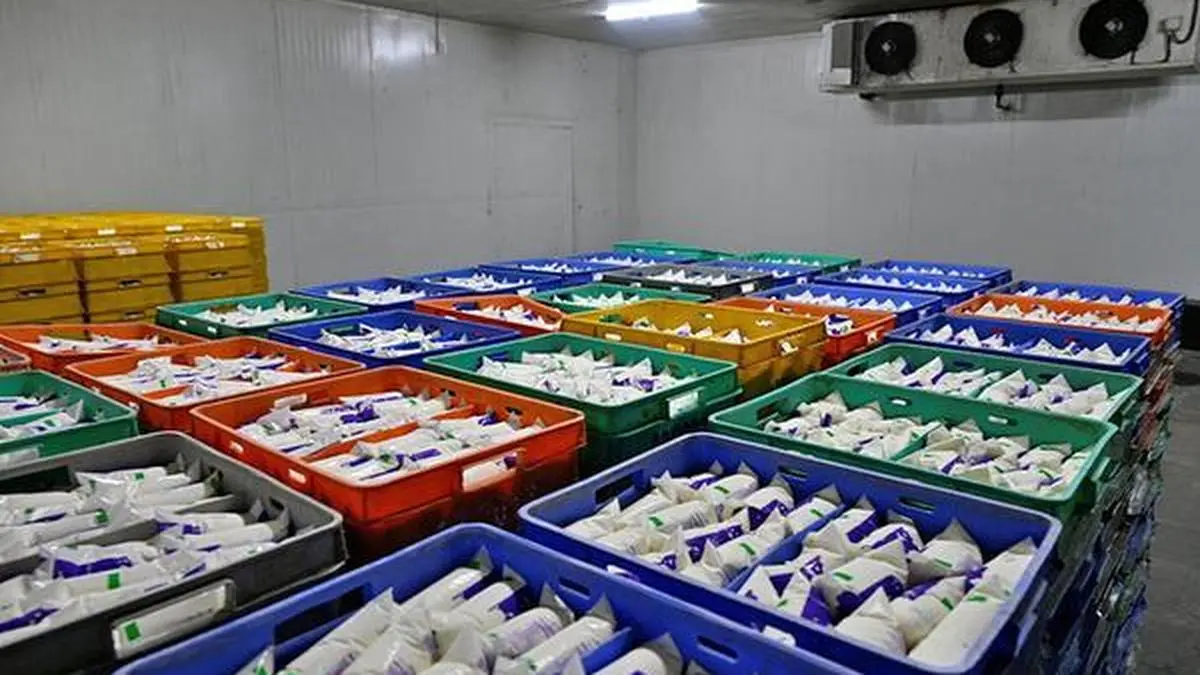
Part of that gap sits between farm and consumer. KPMG points to inadequate cold chains, storage and post-harvest infrastructure as sources of avoidable waste. Citing a 2022 government-commissioned study, its accompanying analysis puts post-harvest losses at 6–15% for fruits and 4.8–11.6% for vegetables, losses that constrain access and weaken farmer returns.
The bigger signal: distribution efficiency belongs in the nutrition conversation.
KPMG identifies stronger logistics, modern storage, traceability and better market information as priorities. It also recognises low incomes as a barrier: improving supply chains must work alongside measures that make healthy diets affordable.
Why it matters
For food brands and distribution leaders, the operating implication is to measure how much usable, nutritious food reaches the point of purchase. Tracking spoilage, remaining shelf life and availability can reveal where distribution improvements could preserve more of what India already produces.