
-
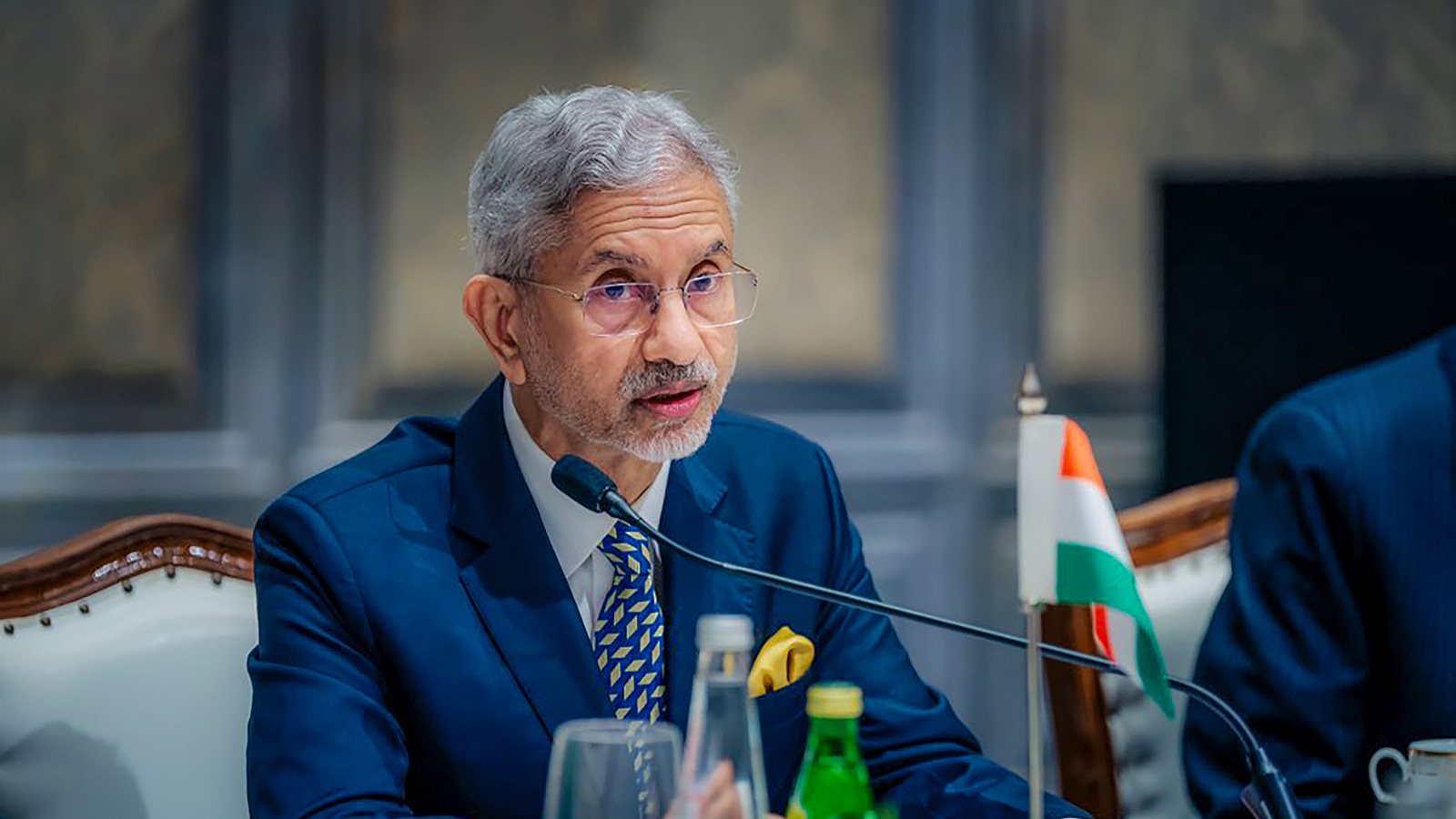
Shipping routes are central to the G20 foreign ministers’ meeting in Atlanta on October 30–31. With S. Jaishankar attending, the US has identified energy security, supply chains and keeping critical sea lanes open as priorities. For India, the stakes include access to imported oil, LNG and fertilisers.
The agenda also covers critical minerals needed for energy security and advanced manufacturing. Discussions are expected to address how geopolitical tensions affect these essential flows.
The bigger signal: supplier diversification still leaves route dependency.
For businesses, the operating implication is that sourcing from multiple suppliers can leave a shared vulnerability when shipments depend on the same maritime chokepoint. A disruption can affect several inputs simultaneously, complicating production and delivery commitments.
Why it matters
Supply-chain teams should examine where critical materials travel alongside where they originate. Mapping shared shipping routes, assessing alternative gateways and reviewing inventory cover can help expose dependencies that a supplier list alone may miss.
The Atlanta meeting puts these risks on the diplomatic agenda. Any resulting commitments will need to be assessed as the talks conclude.