
-
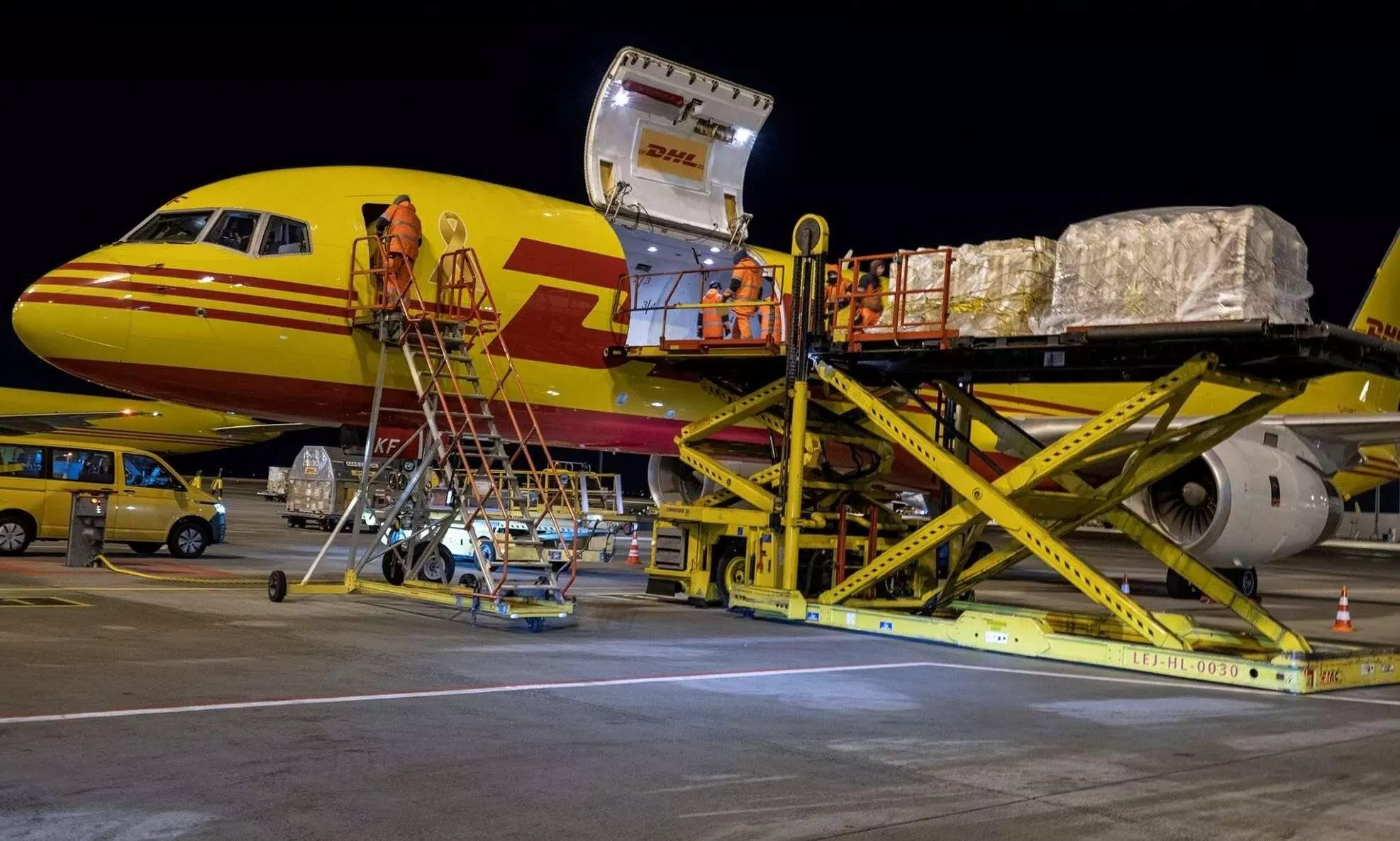
When ocean routes wobbled (Red Sea diversions, tariff noise), Indian shippers shifted critical loads, pharma, electronics, engineering goods, perishables, express, to the skies. Air freight went from emergency fallback to strategic backbone, helping exporters protect timelines and keep plants running. Integrators like FedEx/DHL and forwarders such as Jeena & Co. all report air was the best-performing mode of the year as customers paid for speed and certainty.
Two enablers stood out. First, infrastructure: years of planning under PM GatiShakti started to show up in smoother multimodal handoffs, fewer bottlenecks, and more predictable flows. FedEx’s leadership called out this structural shift as key to resilience. Second, data and automation: networks leaned on AI-led planning, routing, automated handling, and real-time visibility so shippers could anticipate snags instead of just reacting.
Sustainability moved from slideware to ops. DHL pushed a 2030 roadmap that treats green logistics as a bottom line, investing in cleaner facilities and programs like GoGreen Plus, while forwarders improved emissions tracking alongside reliability.
On the home front, e-commerce and quick commerce stress-tested speed daily. Zepto’s IPO signal and year-end delivery records (Blinkit/Zomato posting all-time peaks on Dec 31) showed last-mile capacity holding under demand spikes, evidence that India’s air-to-ground chain has matured from scale to precision execution.
Bottom line: 2025 proved agility is the new advantage. With air cargo capacity, integrated infrastructure, and digital control towers, India kept cargo moving through global turbulence, and enters 2026 more confident, more connected, and more indispensable to trade.