
-
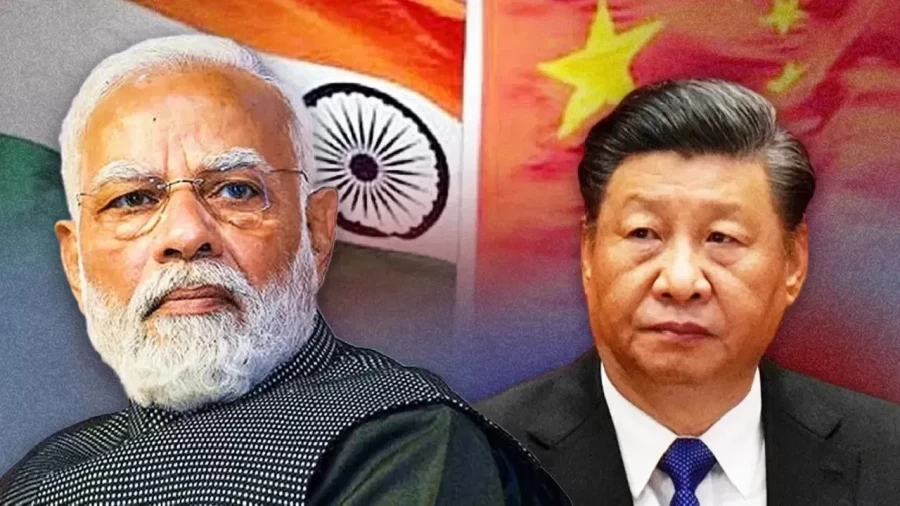
India’s pre-Budget playbook targets the China gap with a two-track push, calibrated duty hikes + targeted incentives, on a ~100-item list (engineering goods, machinery, steel, even suitcases/flooring) to curb dependence and rebuild local value chains. The urgency is visible in the numbers: Apr–Nov FY26 exports $292 bn vs imports $515.2 bn; China imports $84.2 bn vs exports $12.2 bn to China (deficit ~$72 bn).
The plan pairs trade steps with MSME shock-absorbers (easier, cheaper credit; export-risk buffers; digital compliance; ZED/LEAN uptake) so small suppliers don’t get crushed by tariff whiplash. On inputs, Delhi is leaning into critical minerals, notably a ₹7,280-cr NdFeB magnet scheme (6,000 MTPA, 7 years) and a broader strategy for lithium/cobalt/rare-earths via overseas tie-ups and a proposed fund.
Logistics is the silent tax the Budget wants to cut: in-country movement costs ~14–16% of GDP vs China’s ~8%; the target is single-digit by end-2026 with ongoing expressway/connector upgrades. Electronics shows the template, mobile output rose from ₹2.2 lakh cr (FY21) → ₹5.45 lakh cr (FY25); exports >₹2 lakh cr; ~1.33 mn jobs (70% women), and the next link is semiconductors: ~₹1.6 lakh cr in approved projects (Tata, Micron, Foxconn, HCL) to localise fab/packaging/compound semis.
Net: the Budget is framed as a coherent supply-chain strategy, tariffs where needed, incentives where effective, and fixes in quality, scale, finance, minerals, and logistics, to narrow, not just manage, the China gap.